
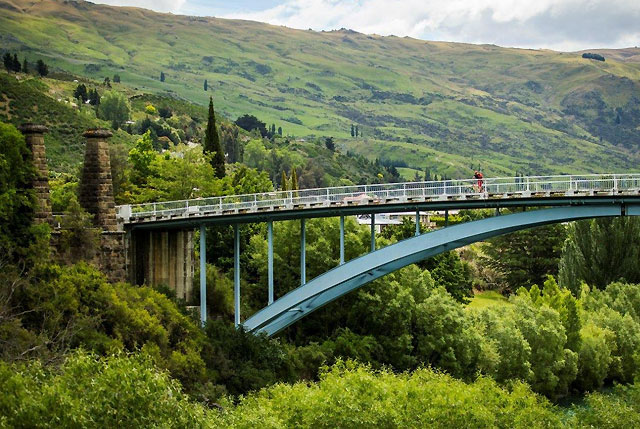
The mighty Clutha River is New Zealand’s second longest river, the longest in the South Island and it boasts the highest volume of any river in the country, making it the fastest flowing. In comparison to the Waikato, the Clutha carries nearly twice the volume of water. Running from Lake Wanaka through Central Otago, it finally spills into the Pacific Ocean, south of Balclutha. Its swift and swirling emerald green waters vividly intense, if not a little bewitching as it charges through the countryside with imposing intent. Many road-trippers will most likely cross-paths with the Clutha while holidaying in Wanaka, or calling into Cromwell, en-route to Queenstown.
But if you have the time to explore a little further, the Clutha encompasses a swag of evocative tourist gems, from the treasure-chest of Clyde to the lesser-known jewels like Roxburgh. On a recent summer swing, I rolled through the wide and lonely wilderness of Central Otago’s Manitototo, which terminates in Alexandra. From there, the perfectly-formed and impeccably preserved goldrush town of Clyde is just a 10 minute hop up State Highway 8. Originally known as Dunstan, Clyde lies beside the mighty Clutha River amongst a rugged landscape dotted with dark schist rocks, swaying tussocks and the awesome Clyde hydro electric dam.
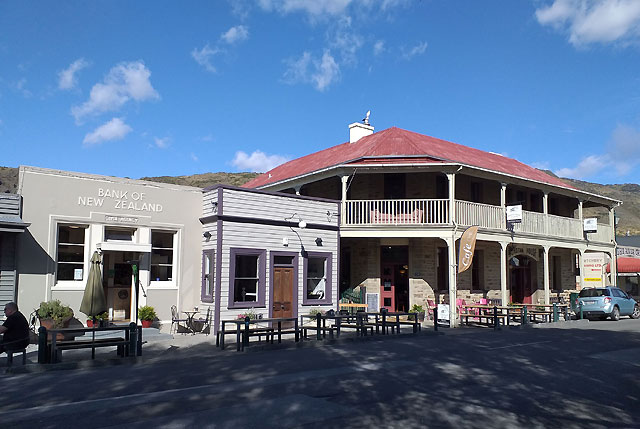
The heart of town, Sunderland Street, boasts one of New Zealand’s best historic precincts, lined with storied properties like the Dunstan Times Building, Hartley Arms Hotel, the town hall/lodge, Dunstan House, Dunstan Hotel, the former Benjamin Naylor General Store, post office, court house and Clyde Railway Station all standing proudly defiant to the passage of time. A hospitality powerhouse is Oliver’s Restaurant, which was established and operated for 20 years by Fleur Sullivan, of Fleur’s Place Moeraki fame. At the foot of the serrated Dunstan Range which was sporting a skiff of fresh January snow when I visited, Clyde is also the start (or finish line) of the Otago Central Rail Trail, New Zealand’s Original Great Ride, which runs along the old railway line all the way to Middlemarch.
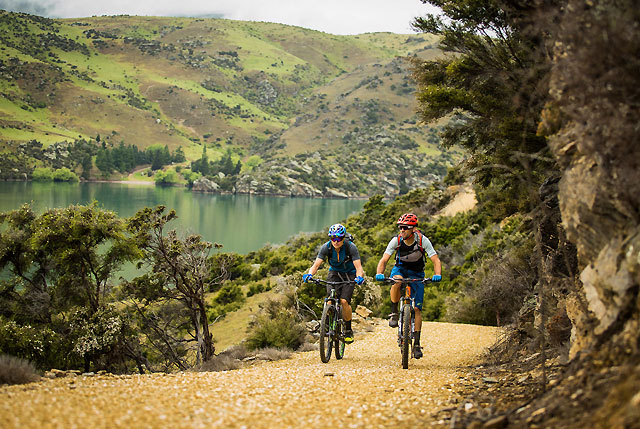
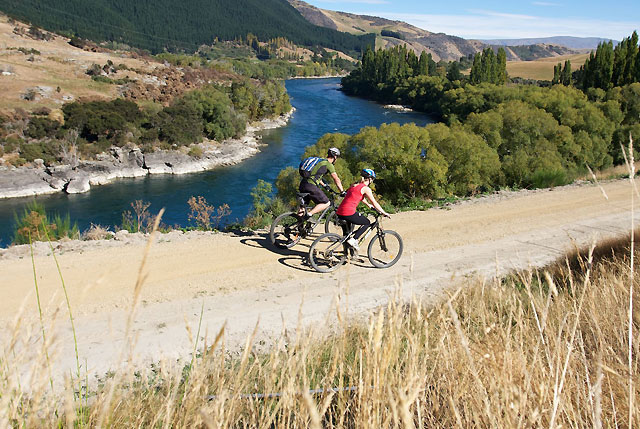
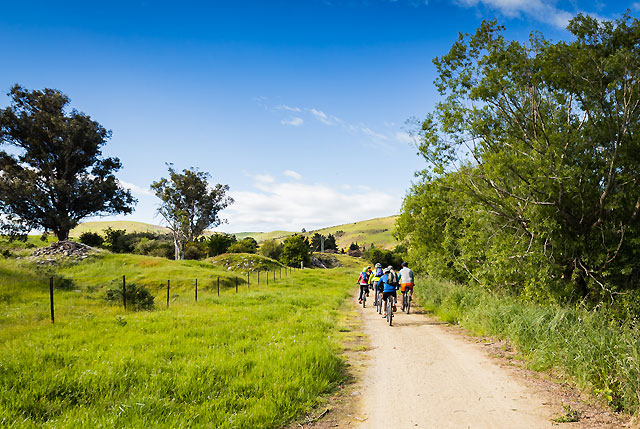
It has now been joined by a supporting cast of trails, which are more focused on tracing the Clutha. The Otago Central Rail Trail is New Zealand’s Original Great Ride and extends 150 kilometres along the former railway route between Middlemarch and Clyde. The Roxburgh Gorge Trail is a one-day trip on a 34km route snaking alongside the Clutha River from Alexandra to the Roxburgh Dam. And the latest kid on the block is the Clutha Gold Trail, which opened four years ago. This 73km trail is a unique riverside heritage experience, heading south from Roxburgh to the Beaumont Gorge, where it branches off through rich green valleys towards the historic gold mining town of Lawrence. It was nearby at Gabriel’s Gully, that the Otago goldrush was born, following the discovery of gold in 1861.
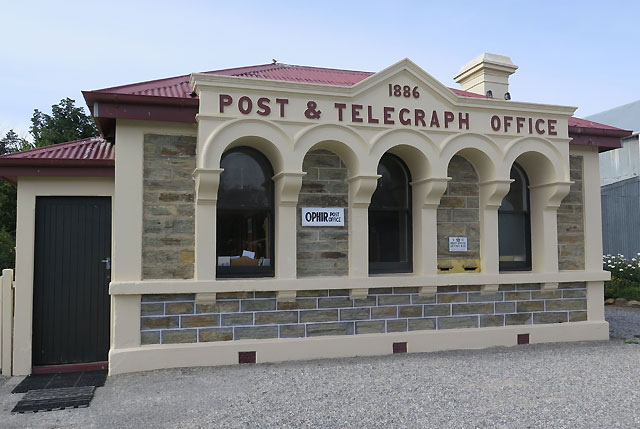
Both trails can be discovered on foot or by bike, immersing you in the golden Otago heartland, richly wreathed in its mining legacy. If the trails sound like too much of a hard slog for your leisurely vacation plans, hopscotch your way around the characterful attractions, by car. In fact, just east of Alexandra, follow State Highway 85 for ten minutes to Omakau and Ophir, which was once the area’s most populous centre, taking its name from King Solomon’s gold mine. The streetscape feels frozen-in-time, lined with dozens of historic buildings and cottages, cleaved out of schist, mudbrick and timber. In a region where bridges punctuate the panoramas, Ophir’s Daniel O’Connell Bridge is a star specimen, one of the region’s last surviving suspension bridges, built in 1880.
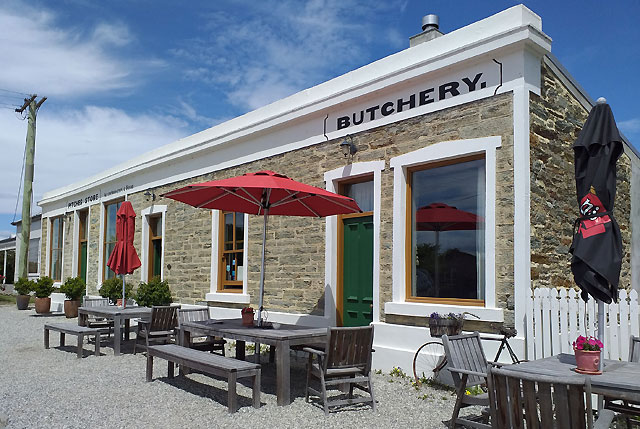
A whole roasted bullock and 238 litres of beer was devoured to celebrate its opening. Ophir Post Office is another classic, as is Pitches Store, a former grocery shop which now wins accolades for its superb boutique accommodation and restaurant. Great on-the-go coffee, too! Back on State Highway 8, I headed south of Alexandra, hugging the Clutha River to Roxburgh. The undulating landscape shuffles from tussock-clad hills and striking rock tors – natural schist sculptures that can tower up to 20 metres, to the fecund patchwork of fruit orchards unfurling across the valley.
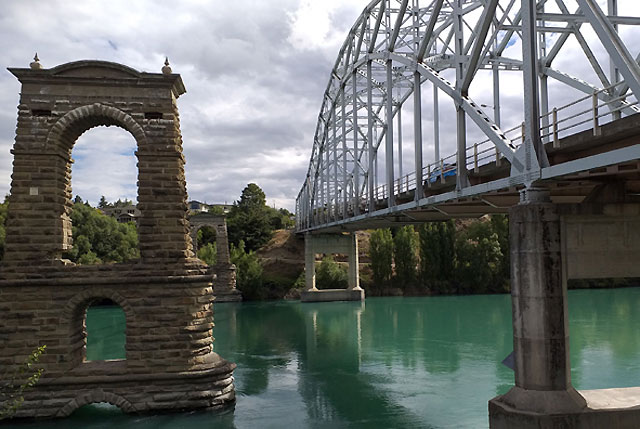
Crowning the scenic medley, soaring mountain ranges hold vigil over the mighty river and its offshoots, like sentinels safeguarding the secrets of the past. The summer and autumn months are primetime to stop at the plethora of roadside stalls, to snap up some freshly picked stonefruit. I binge-bought a stack of exquisite cherries, apricots and peaches. Pre-European Maori hunted the giant flightless Moa to extinction in these parts before settlers began farming in the late 1850s, with the gold miners following a decade later. Roxburgh town straddles the banks of the Clutha River in the beautiful Teviot Valley. Its lake was created by the Roxburgh Dam, commissioned in 1956, which is also well worth a nosey. Further south, pop into peaceful Millers Flat, where the old bakehouse is now a cute-as-a-button museum, there’s the Clutha’s last surviving suspension bridge at Horseshoe Bend, and stake out the stone ruins of a Teviot woolshed. But it’s Roxburgh that truly smashed my expectations, a star specimen of a lesser-trafficked and under-rated regional town with a spoil of temptations.
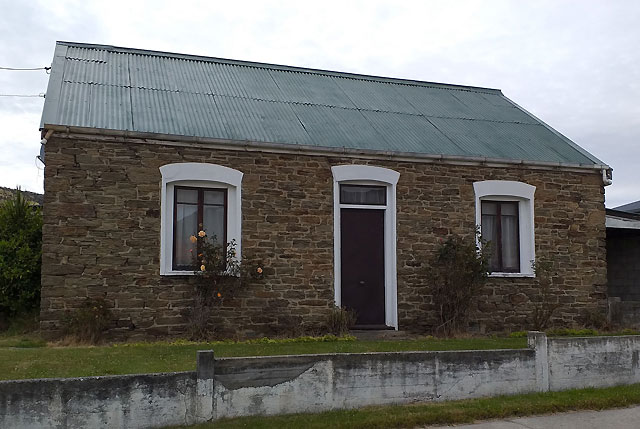
As you explore the town and all its Scottish street names, you’ll find yourself routinely sighing in sweet admiration at the mud-brick and schist stone houses and cottages that are not thick on the ground, but proudly maintained. Just 30 minutes south of Alex, it’s remarkable how much cheaper the real estate is in Roxburgh, but maybe for not much longer. Backed by Knobby Range and rocky tussock-clad high country, Roxburgh’s soothing landscapes are as compelling as the colour palette of the seasons. In late spring, the hillsides are covered in purple with flowering wild thyme, in summer the blue green of the Clutha River is in graphic contrast to the grey schist rock outcrops and in autumn the willow trees on the waters’ edge turn brilliant gold.
History oozes from its pores and a great introductory is the Town & River Track, a 5km loop which can be nailed in 90 minutes, which weaves its away along the banks of the Clutha and laces together a trove of heart-stealing properties, including the well preserved 1850 cottage at 36 Scotland Street. Strolling the main street, Roxburgh boasts an abundance of tempting cafes and eateries, grossly outnumbering the pubs – which didn’t use to be the case. The Teviot Tea Store is a charmer, as are some of the roadside art works, like the magnificent stainless steel sculpture paying homage to the early settlers.
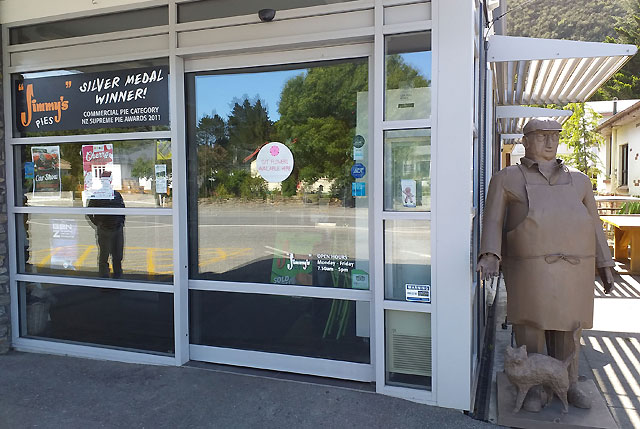
But as many folk in the lower South Island will tell you, Roxburgh is not just synonymous with stone fruit and stone cottages, but legend in pastry – Jimmy’s Pies. Made to an old family recipe, Jimmy’s have been making their meat pies for almost 50 years, with 20 different types of pies on offer. People also go gaga over the sweet treats, like the basketball-sized creambuns which would give the Heart Foundation conniptions. But the power of Jimmy’s Pies endures – they make over 25,000 pies everyday from their Scotland Street shop in Roxburgh.
Across the road, another time-honoured institution: the cinema. Roxburgh reputedly has New Zealand’s oldest operating cinema, which first opened on 11 December 1897, and is still going strong. It may not be a glamour-puss or poster-child New Zealand town, lustily marketed to the world, but Roxburgh beats to a sure-footed tempo. Unlike the summer crowd crush that overwhelms the likes of Queenstown and Wanaka, Roxburgh still feels slightly under-the-radar and refreshingly relaxing, despite its perky spirit.
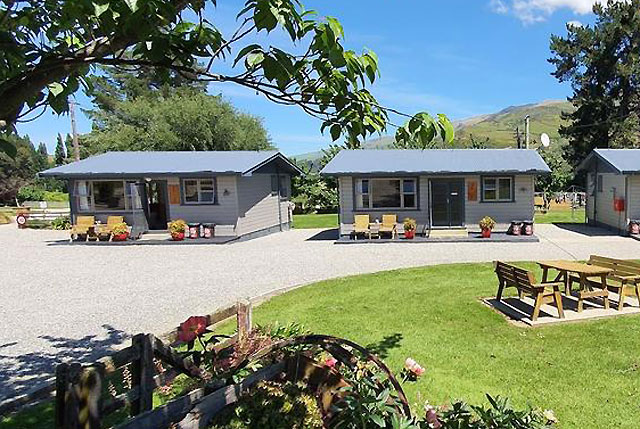
Where to stay? Just over the bridge of the mighty Clutha River, in Roxburgh East, Clutha Gold Cottages is a god-send with an excellent variety of family value accommodation to suit all budgets. Christine Bennenbroek and her team will treat you royally. The cottages are delightfully homely, well-equipped and beautifully furnished, while there is also a four bedroom character house available, with all the trimmings. Dogs are welcome too! Located in the tranquil Teviot Valley with spectacular vistas, from the gnarly heights of Knobby Range to the lush green contours of the riverside land, this is a heavenly bolt-hole in the golden heartland.
I booked through Wotif.co.nz who offer travellers access to millions of rooms, hundreds of airlines and thousands of destinations both locally and around the world. You can search, plan and book your next trip in the one place and have access to special package savings when you combine a hotel and flight in the same booking. www.wotif.co.nz

Recent Comments